


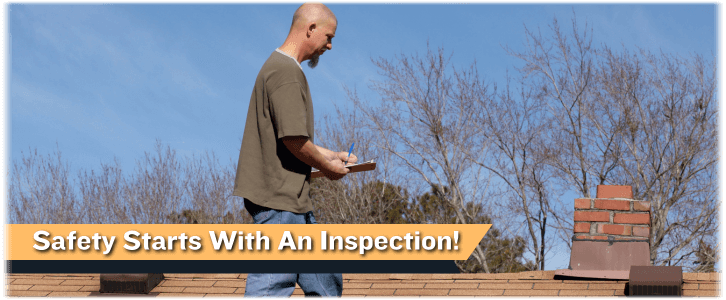
A professional chimney inspection in St. Louis, MO, helps homeowners stay ahead of safety risks, hidden damage, and costly repairs. Because many local homes rely on fireplaces during cold Midwest winters, regular inspections play a critical role in protecting both property and family health. Our inspections focus on clarity, accuracy, and real answers you can trust.
Why a Chimney Inspection Is Essential for St. Louis Homes
St. Louis weather places real stress on chimney systems. Freeze-thaw cycles, heavy rain, and humid summers can cause deterioration over time. As a result, small issues often develop out of sight. Therefore, routine inspections help uncover problems before they escalate.
Many homes in neighborhoods like Webster Groves, South City, and Clayton feature older masonry structures. These designs require careful evaluation to ensure safe operation. A proper chimney service checks structural integrity, airflow, and overall system condition.
What Happens During a Professional Chimney Inspection
Our chimney cleaning team follows a thorough, step-by-step process designed for residential properties. First, we examine visible components for wear or damage. Next, we assess internal areas using professional tools. Finally, we review findings and explain them clearly.
Because homeowners deserve transparency, we avoid technical jargon. Instead, we explain what we see and why it matters. This approach makes our chimney inspection service in St. Louis easy to understand and stress-free.
Common Reasons Homeowners Schedule Chimney Inspections
Many homeowners book service before using their fireplace for the season. Others schedule inspections after purchasing a home or noticing performance changes. In addition, inspections often follow severe weather events.
Popular reasons include peace of mind, insurance requirements, and routine home maintenance. A home chimney safety check helps identify ventilation concerns, moisture intrusion, and structural weaknesses early.
Trusted Local Experts for Chimney Inspection in St. Louis
Homeowners want experience and consistency when choosing a local provider. We bring both to every appointment. Because we focus on chimney inspection in St. Louis, our team understands common regional issues.
From brick homes near Forest Park to newer properties in West County zip codes like 63131 and 63146, we adapt our approach. That local knowledge helps us deliver accurate assessments every time.
How Inspections Support Long-Term Home Value
Regular inspections help protect your investment. When issues remain unaddressed, chimney repair costs rise quickly. However, early detection keeps maintenance manageable and predictable.
Additionally, documented inspections support real estate transactions. Buyers and sellers both benefit from clear system evaluations. Therefore, a St. Louis chimney service adds value beyond safety alone.
Clear Answers, No Pressure, and Honest Guidance
We believe homeowners deserve honest recommendations. That means no unnecessary services and no scare tactics. Instead, we focus on facts, photos, and clear explanations.
Because trust matters, our approach stays simple and respectful. Many clients recommend us as trusted experts for chimney inspection in St. Louis because we prioritize education over sales.
If you want reliable answers and careful evaluation, our team stands ready to help. Call (314) 675-7685 today to schedule a professional chimney inspection in St. Louis, MO, and protect your home with confidence.
Frequently Asked Questions
How often should homeowners schedule a chimney inspection?
Most homes benefit from an annual inspection, especially before fireplace use during colder months.
What issues can a chimney inspection uncover?
Inspections often reveal structural damage, ventilation problems, moisture intrusion, or blockages.
Is a chimney inspection in St. Louis, MO, necessary for newer homes?
Yes, a chimney inspection in St. Louis, MO, helps ensure new systems meet safety standards and perform correctly.